
Is "Moving Out" Easier Than Cleaning Up?

It is a deeply felt frustration. While we spend billions "scouting for a new home" in the stars, the one we already have is clearly struggling under the weight of plastic pollution and climate change.
For 40 minutes during that orbit, astronauts were in total radio silence behind the lunar shadow. In that silence, they saw Earth for what it truly is: a tiny, fragile "Blue Marble" floating in a vast, dark void.
It raised a haunting question: Are we exploring space to save humanity, or are we running away because we’ve failed our home?
The Paradox: Space Science Actually Helps Earth
It sounds counterintuitive, but our obsession with the stars has provided the best tools to save our soil. Much of what we know about Earth’s health—melting ice caps, rising sea levels, and deforestation—comes from satellites originally designed for space missions.
Furthermore, because resources are so scarce in space, agencies like NASA had to invent extreme recycling technologies. The same water purification systems keeping astronauts alive are now providing clean water to remote villages on Earth.
But even with the best tech, we face a psychological hurdle. Humans are wired for exploration. Discovering a new planet feels like a "Heroic Quest," whereas fixing a sewage system or banning plastic feels like "Maintenance." ### The Cost of "Ticking" Boxes
We have spent 4.5 billion years evolving on a planet that gives us everything for free. In return, we have filled its oceans with plastic—material we use for less than a minute, but which lasts for centuries.
Is finding a new home really easier than cleaning the one we have?
At Mind The Wrap, we believe the "New Frontier" isn't Mars—it’s the way we live today. If we don’t want our descendants to struggle for breath on a dry, barren rock, we must start at the source.
Small Choices Today, Better Planet Tomorrow
You don't need a billion-dollar rocket to make a difference. Transitioning from conventional plastic to home-compostable alternatives is a "heroic quest" in its own right.
Before your next purchase, ask yourself these 4 questions:
Is it truly necessary? Does what you already own still do the job?
Is it "Plant-Based"? If a product is made from nature, it can return to nature.
Can it be composted? When it’s finished, will it leave a legacy of microplastics, or will it become soil?
How will I dispose of it? Stop the "throw-away" culture. Choose products designed to disappear, or at least recyclable.
Pick It. Use It. Plant It.
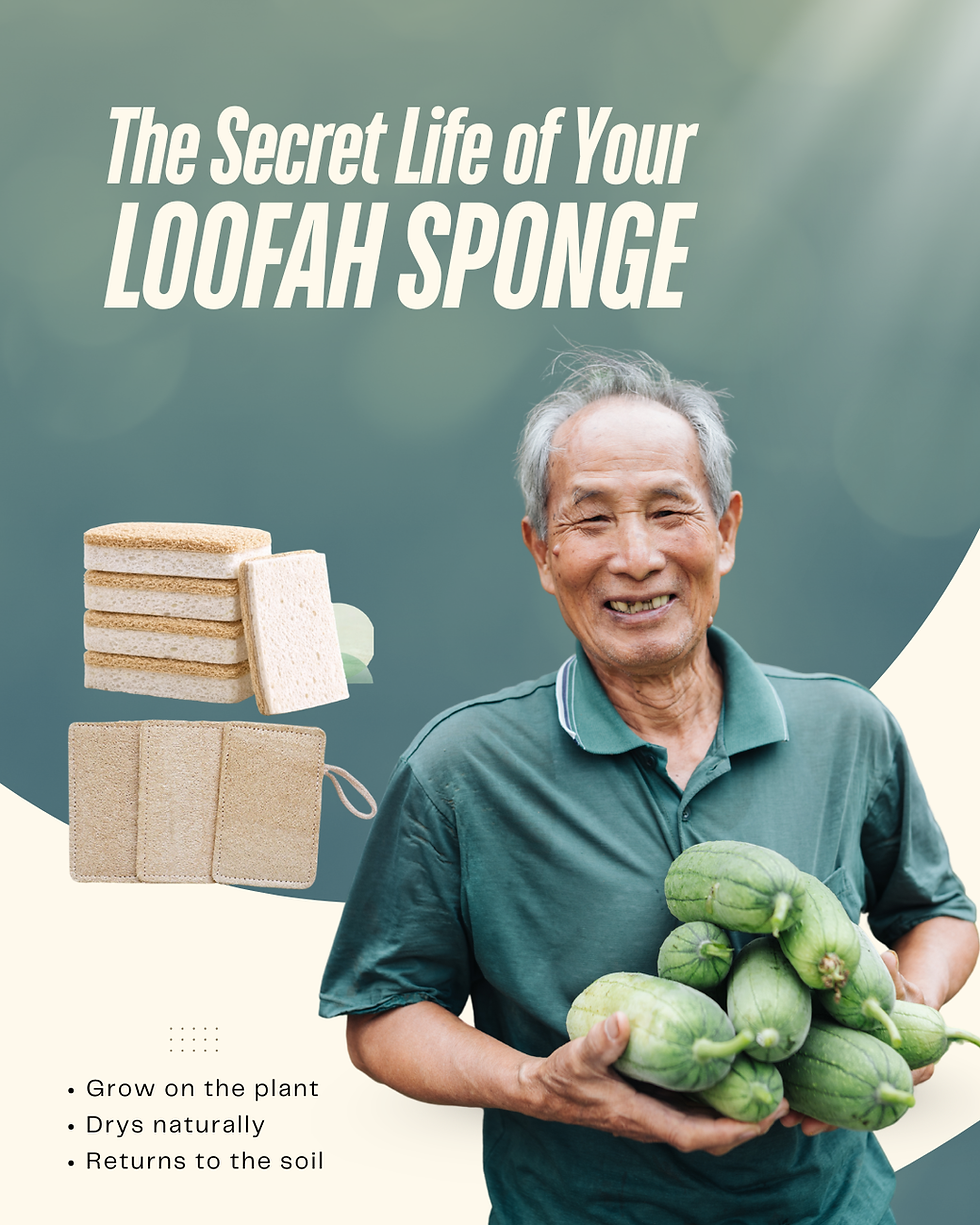
Whether it’s a Cellulose Cone Bag for your snacks or a Sisal Sponge for your kitchen, these aren't just products—they are a commitment. They are proof that we aren't looking for a "Backup Plan." We are investing in our "Plan A."
Earth doesn't need grand gestures from a few; it needs responsibility from everyone. Even if we never leave the ground to see that blue dot from above, we have the power to ensure the world we stand on remains clean, vibrant, and cherished for generations to come.
Start your zero-waste journey today. Because there is no Planet B.


Comments